The first book made here
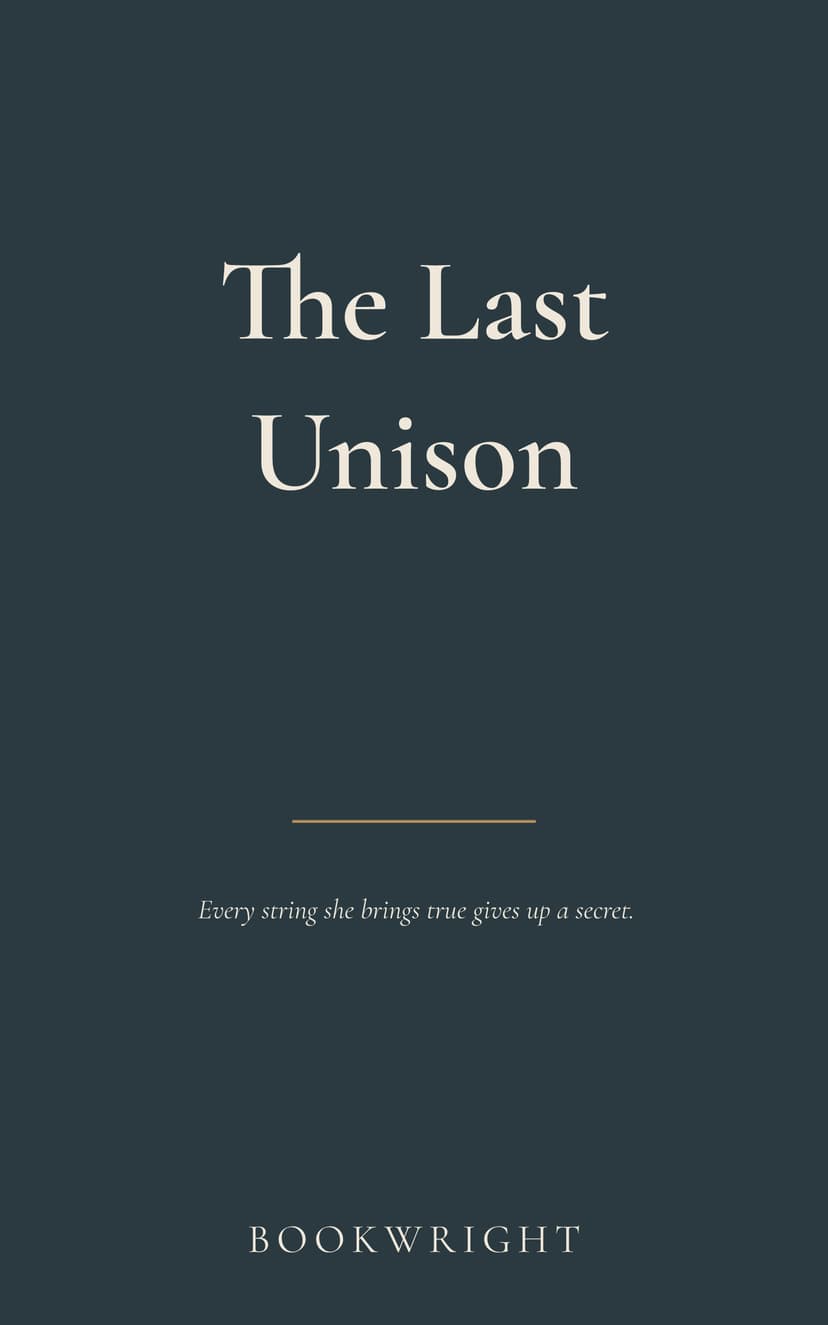
The Last Unison
In a city slowly sinking into its canals, a piano tuner discovers that the instrument she is restoring plays back the last thing each of its owners could not bring themselves to say.
- Words
- 13,252
- Pages
- 66
- Chapters
- 4
- Cost
- $11.36
- Time
- 58 min
How it was made
The Director ran on Claude Opus 5.5 with the book on autopilot. It took the sentence through every stage a publishing house would: a brief, a bible of 14 entries, an outline of 4 chapters and 10 scenes, the draft, the developmental and continuity edits and the revisions they called for, the line edit, copyedit and proofread, the publishing copy, the design and the cover, and the printer's check. It made 84 tool calls in 58 minutes and spent $11.36 on the model.
Nobody wrote or chose anything after the sentence. Between the Director's turns, the author said only to carry on, and accepted every suggestion the editors left without reading it, which is what autopilot means: 97 applied, and 34 more no longer matched the text once earlier ones had. Every word was drafted by AI, and the book's publishing checklist says so where KDP asks.
The publisher's copy
These days Ines Calder's trade comes down to three words: It's dead.
She has said them in forty parlors this year. Sevrin is a lagoon city built on reclaimed delta mud, and it sinks a little more every winter. Its ground floors belong to the water. Every year its families carry the furniture one more flight upstairs, and the Saltgate ferry runs a little later. At fifty-four, Ines is the last working piano tuner left in the city, and most of her job is telling people what can't be saved.
Then Fenn Ostrander, a salvage bargeman who talks so she doesn't have to, winches a waterlogged Hallam & Vey upright out of a widow's parlor on the Lantern Canal. The clock on the mantel stopped at twenty past four. Silt has turned the walnut case nearly black, and a tide line runs across it at keyboard height. Ines lays her palm on the wood and strikes the bottom A. The hammer hardly moves, but under all the rot the soundboard rings. She pays Fenn one brass crown so the job is hers and nobody else's.
Then she does the work. She cuts new felts, rebushes all eighty-five keys, and resets ninety tuning pins in a pin block that only just holds. She brings the registers true one at a time, listening as the beat between two strings slows and then stops. Each time a register comes true, the piano plays a short phrase in the night, and she hears it from behind the curtain where she sleeps. Ines listens for a living, and she can't help hearing each phrase as a sentence: the last thing one of the piano's owners could never say aloud. The owners come in order, newest to oldest. First a widow, then a hotel pianist, then a schoolteacher. One sentence is funny, one is terrible, and one is tender.
Nobody explains it, and Ines doesn't ask anyone to. It's one more fact of the work, like the damp in the wool or the crack in the ivory of the E above middle C. That is the note she keeps leaving slack.
She has her own unsaid thing. Twenty-three winters ago, on the night of the Long Tide, she rowed to her father's flooding workshop on Cooper's Reach and found him in water to his knees, lifting actions onto the bench. They argued until dawn about a tuning hammer and never got to what mattered. Then she rowed away. He died six weeks later, and she has stayed on in Sevrin and in the trade ever since. Every autumn she copies out the new ferry timetable, folds it into her tool roll, and never opens it again.
Her one crown has made her the piano's newest owner.
The Last Unison is a short novella. It gives you a craftswoman's hands and ears in a city going quietly underwater, a friendship with real jokes in it, and one marvel set down as plainly as a tide table. It's for readers of Claire Keegan's Small Things Like These and Yoko Ogawa's The Memory Police. It takes grief seriously without making it heavy, and it moves toward a single note Ines dreads hearing as much as you'll want to hear it.
If she brings the last string true, she may hear what she never told her father, and maybe what he never told her. After that, what reason is left to stay in a city that is going under?
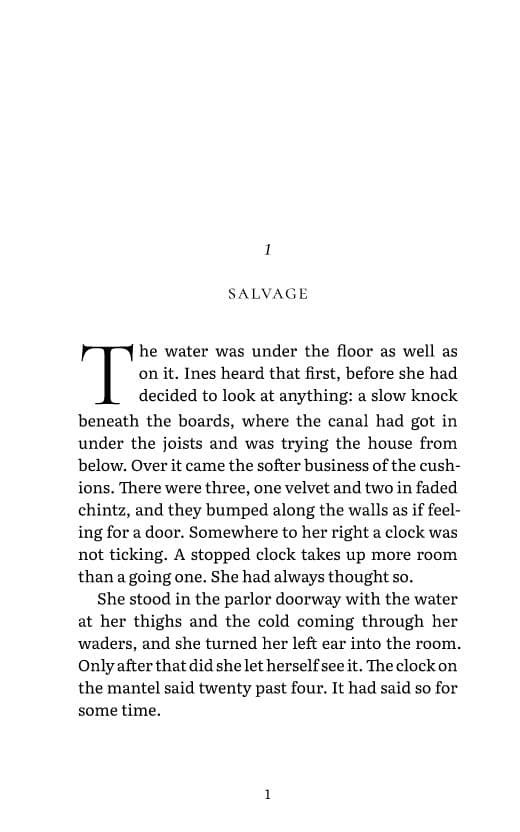
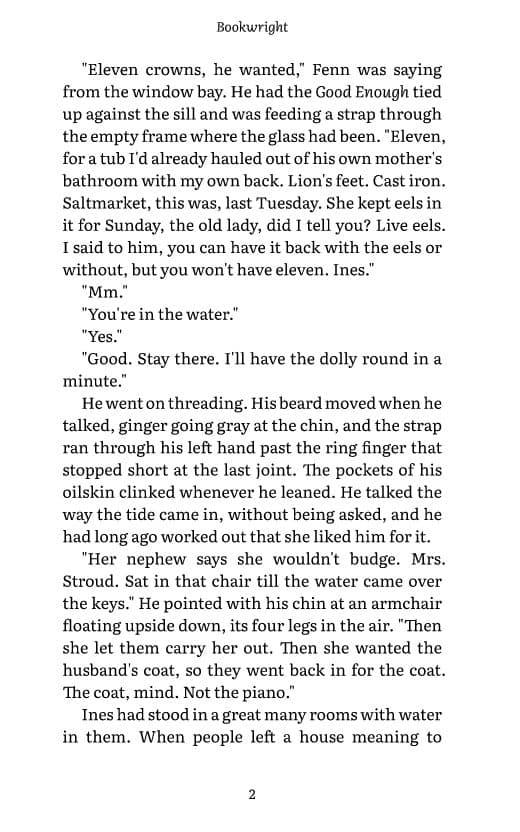
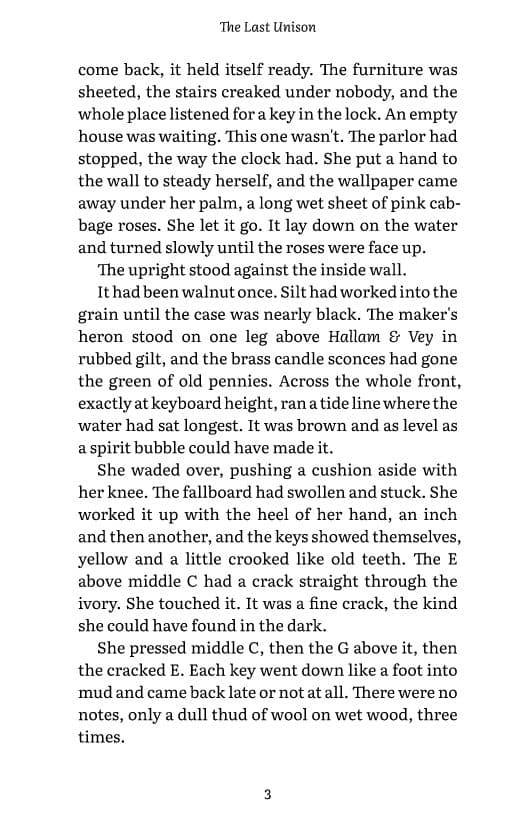
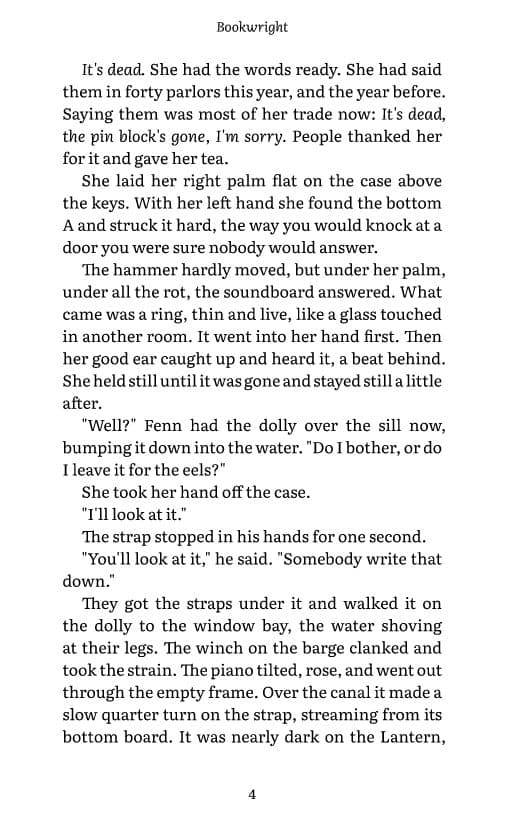
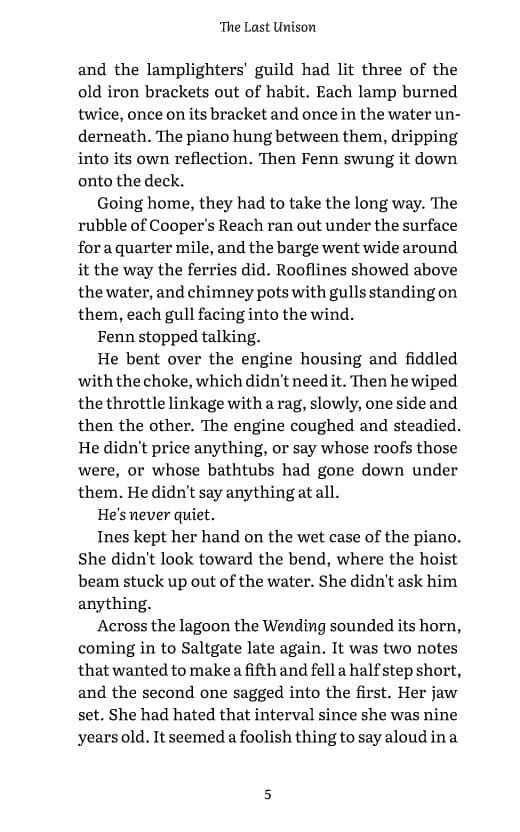
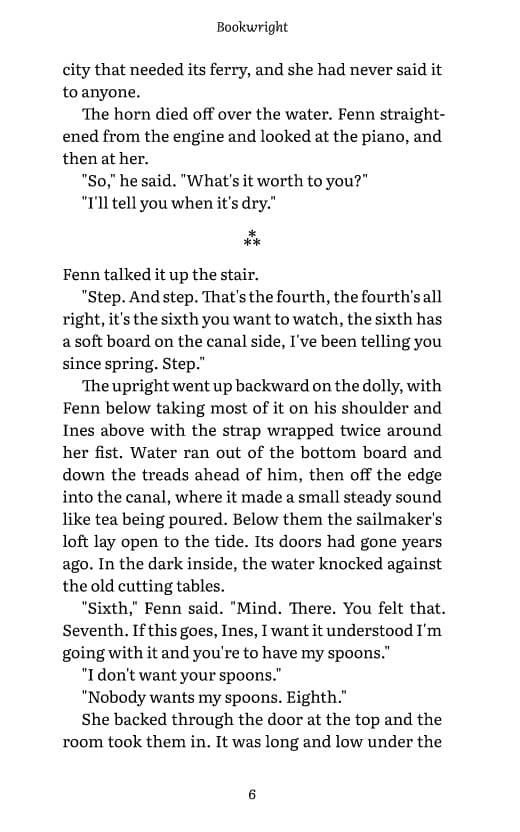
The opening pages, as they print





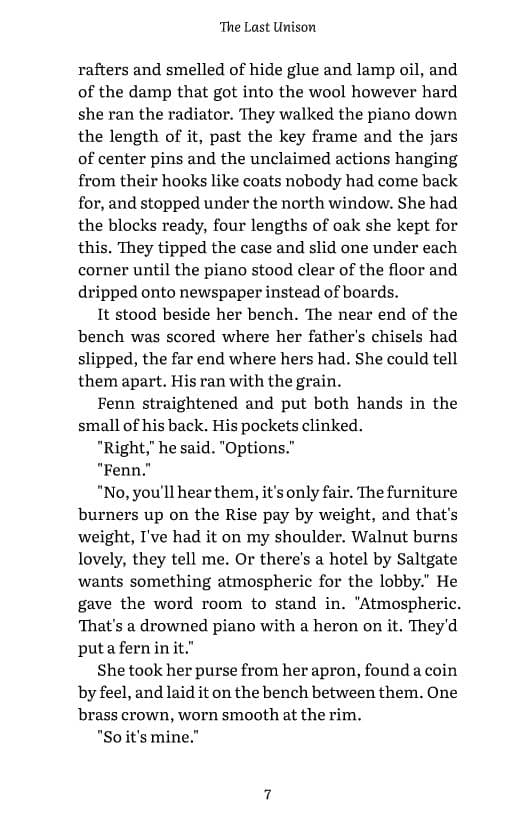
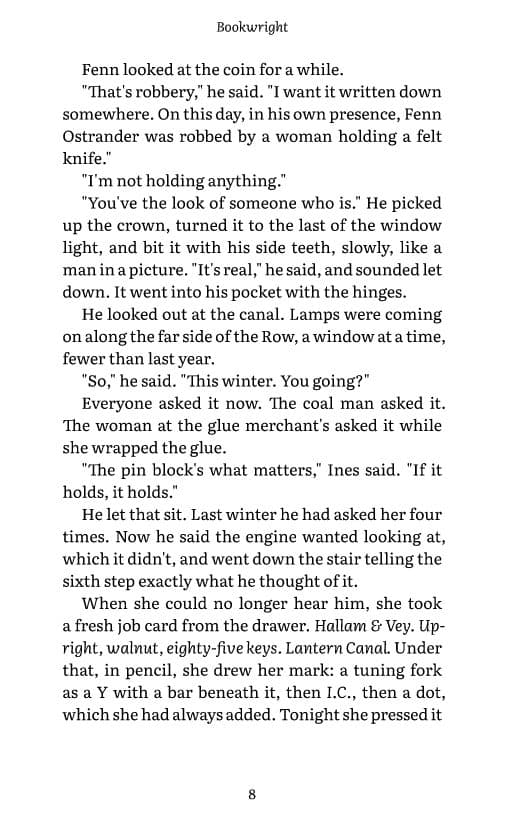
What a printer would say
- 66 pages, within the printers' range
- Inside margin 0.75 in
- Ends on a blank page
- Every font embedded
- Spine 0.165 in, too thin for its title
- The barcode's box is clear
- No paperback ISBN
- EPUB 3 with accessibility metadata
Your book next
Bring the idea, or the manuscript you have. The Director works on your own model key or your own Claude, and nothing it writes replaces your words without your yes, unless you choose autopilot, as this book did.